
Northern Arizona changes the way distance feels.
A road can remain visible long after it begins to disappear. Weather can move across the horizon before it reaches you. A canyon can hold enormous space while revealing layers that were formed under pressure over spans of time difficult to comprehend.
Those experiences influence how Turntable Kachina approaches sound.
The music does not attempt to translate the landscape literally. There is no requirement that a track imitate wind, reproduce a particular place, or announce its Arizona identity. The influence appears in scale, pacing, texture, contrast, and the space allowed to remain between sounds.
Northern Arizona is not simply a backdrop for the project. It is part of the signal.
Distance Changes How You Listen
Dense environments constantly compete for attention. Sound overlaps with traffic, conversation, buildings, screens, advertisements, and movement.
Open land creates a different relationship with listening.
When fewer things demand attention, smaller sounds become more noticeable. Wind moving through dry grass, tires passing over changes in pavement, loose material shifting across the ground, or a distant engine can occupy an enormous space.
That sensitivity carries into the Turntable Kachina music catalog. Quiet elements are not necessarily secondary. A restrained texture can establish the dimensions of a track. A sound placed far back in the mix can make everything in front of it feel closer.
Distance becomes part of the arrangement.
A production can feel large without becoming loud. It can establish scale through separation, patience, and careful placement rather than through constant intensity.
The Landscape Is More Than Desert
Arizona is often reduced to one image: heat, sand, and saguaros.
That image belongs to part of the state, but it does not describe the whole of it.
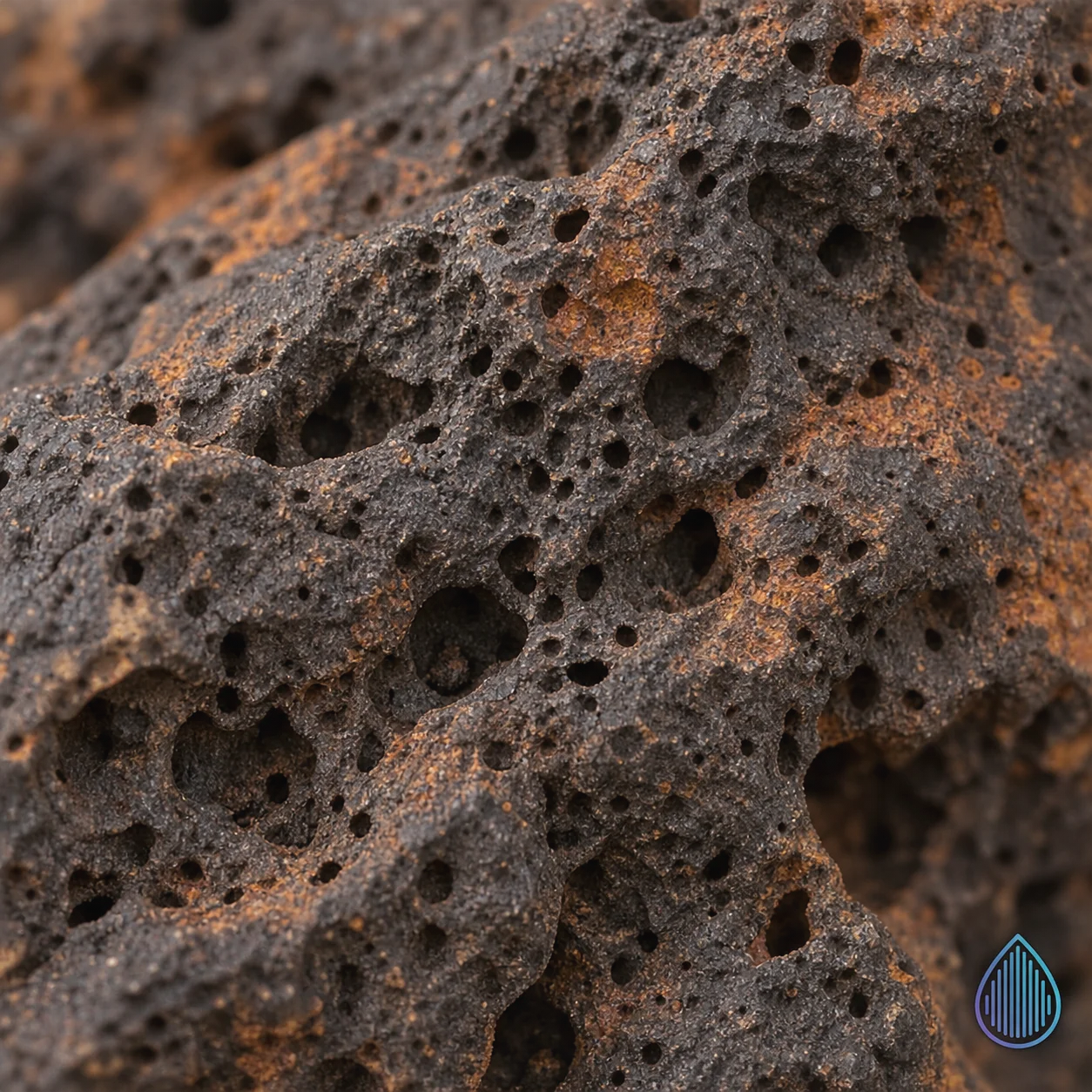
Northern Arizona includes mountain pines, volcanic fields, high desert, exposed stone, snow, monsoon weather, grasslands, canyon country, and long transitions between elevations. The light, temperature, vegetation, and color can change dramatically within a relatively short drive.
Turntable Kachina’s music draws from that range rather than from a single desert stereotype.
A track may feel dry and percussive, but it can also feel cold, shaded, spacious, or heavy with approaching weather. Warm low end can exist beside brittle textures. Open passages can give way to dense rhythm. A familiar loop can change as the musical elevation shifts around it.
The project’s visual and musical identity reflects a place built from contrasts.
That wider view of Arizona also connects Turntable Kachina to the regional stories documented by Southwest Soundwaves, where music is treated as the product of many communities, cities, landscapes, and histories—not one simplified Southwest aesthetic.
Canyon-Scale Silence
Silence is not the absence of composition.
In a large physical environment, silence contains distance, weather, memory, and anticipation. It changes how the next sound is received.
The same principle applies inside a recording.
Turntable Kachina uses negative space to give rhythm scale. When a sound is allowed to decay fully, the listener hears the environment surrounding it. When a beat pauses, the return of the kick carries more weight. When a sample appears only briefly, its absence becomes part of its identity.
This is canyon-scale silence: space that does not feel empty because it has shape.
The idea can be heard most clearly when spending time with complete releases rather than isolated excerpts. The project’s music page offers the best entrance into those longer rhythmic environments, while the curated playlists reveal how individual tracks communicate when placed beside other recordings.
Time Moves Differently on a Long Road
Long drives teach patience.
The scenery changes, but not always quickly. A mountain remains ahead for miles. The color of the earth shifts gradually. A storm appears as a dark line and slowly takes over the sky.
Electronic music can create a similar experience through repetition.
A loop does not have to transform immediately to remain alive. Small changes in filtering, percussion, timing, or atmosphere can redirect the listener without breaking the larger pattern. Development can happen by accumulation rather than replacement.
Turntable Kachina allows ideas to travel.
That approach owes something to DJ culture, where the relationship between tracks is often built over time. A transition can begin before an audience consciously recognizes it. The energy of a set can change through patient adjustments rather than abrupt turns.
The same instinct informs the studio work. A composition becomes a route. Rhythm provides forward motion, but the journey matters as much as the destination.
Weather Inside the Mix
Northern Arizona weather can change the emotional character of a place within minutes.
A clear horizon can darken. Wind can arrive before rain. Sunlight can break through a storm and reveal colors that were invisible moments earlier. Monsoon clouds can make familiar terrain feel enormous and unfamiliar.
Music creates weather through tone and dynamics.
A low drone can introduce pressure. Filtered percussion can make a track feel dry and close. Reverb can open a wide space behind a sound. A sudden removal of bass can feel like air being pulled from the room.
These decisions allow a track to hold changing conditions without abandoning its central rhythm.
Turntable Kachina does not use atmosphere as a layer pasted over a beat. Atmosphere is built into the beat—into the weight of the drums, the distance of the samples, and the tension between repetition and change.
The project’s videos provide another way to experience that relationship between sound, motion, image, and environment.
Isolation and Connection
Open space can create solitude, but it also makes points of connection more meaningful.
A light in the distance becomes noticeable. A signal reaching across a large area feels intentional. Music functions in much the same way.
A producer may build a track alone, but the work is never completed entirely in isolation. It enters a network of listeners, DJs, musicians, visual artists, venues, labels, and communities. It becomes part of conversations the artist cannot completely control.
Turntable Kachina exists within the broader 1st Drop Music ecosystem while maintaining its own pace and physical identity. The connection provides context without flattening the project into the sound of another artist.
The music remains grounded in a particular way of hearing: patient enough to notice texture, physical enough to move a room, and spacious enough to let the listener bring something of their own into it.
Place Leaves a Trace
Regional influence does not have to become costume.
Northern Arizona shapes Turntable Kachina through attention: attention to scale, material, weather, repetition, contrast, distance, and silence. Those qualities enter the music because they are part of lived experience.
The result is electronic music that carries a sense of place without becoming trapped by geography.
A listener does not need to recognize a specific road, canyon, storm, or stretch of open land. The influence is present in how the music breathes and how its pieces are arranged.
Arizona remains in the signal.
Explore the complete Turntable Kachina catalog, spend time with its evolving playlists, and follow new project stories through the news archive.