
Turntable Kachina makes electronic music that feels physical.
The drums have weight. Samples arrive with texture still attached. Bass occupies space instead of merely filling frequencies. Quiet sections are allowed to remain quiet. Every sound feels chosen for what it contributes to the environment around it—not simply for how loudly it announces itself.
That approach places Turntable Kachina somewhere between instrumental Hip-Hop, Downtempo, Lo-Fi, Ambient music, Funk, House, and cinematic electronic production. These genres help describe the Turntable Kachina music catalog, but no single label explains the complete project. The deeper connection is a way of listening: patient, tactile, spacious, and grounded in rhythm.
Music Built Like a Landscape
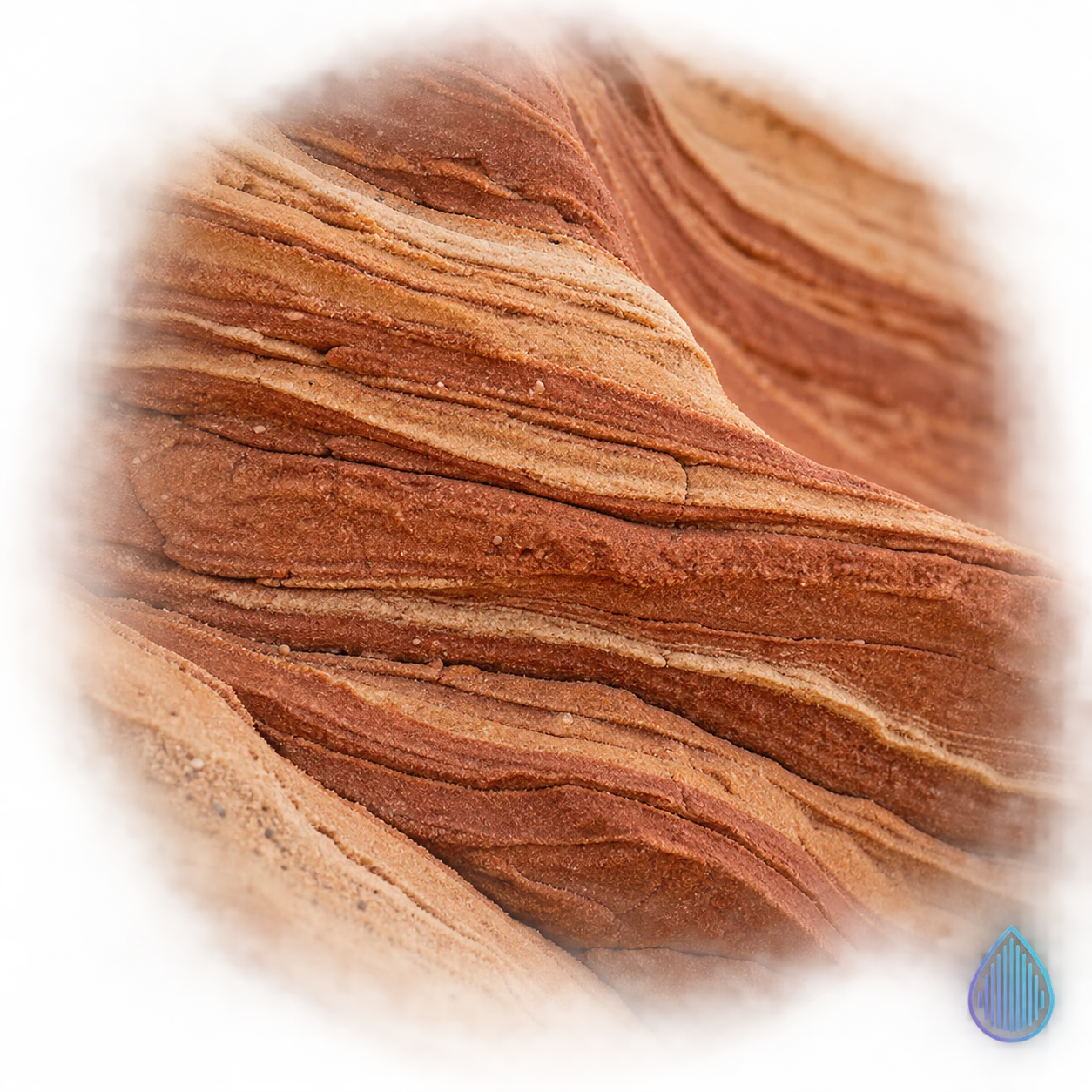
Turntable Kachina is influenced by the physical character of Arizona, particularly the mountains, forests, high desert, canyons, and long roads of the northern part of the state.
That does not mean every track attempts to sound like a postcard from the desert. Arizona is not one landscape, and Turntable Kachina is not one sound.
There are mountain pines and exposed stone. Dry washes and sudden storms. Snow, dust, red earth, sagebrush, volcanic rock, open sky, and cities built against enormous distances. The environment changes quickly, but it always has scale.
That sense of scale appears throughout the project’s releases.
A beat can feel close enough to touch while the atmosphere behind it stretches toward the horizon. A small fragment of sound can repeat until it becomes part of a much larger structure. Silence is not treated as an empty space that needs to be filled. It becomes part of the rhythm.
Like erosion, growth, weather, and geological time, the music often develops through accumulation. A layer arrives. Another shifts underneath it. Something disappears. The original shape remains recognizable, but the environment surrounding it has changed.
The Turntable as an Instrument
The name Turntable Kachina points toward the project’s relationship with records, sampling, DJ culture, and the physical act of listening. That relationship can also be heard in the way Turntable Kachina’s official playlists create conversations between recordings.
A turntable teaches patience.
You choose a record, remove it from its sleeve, place it on the platter, lower the needle, and listen. You experience the music in sequence. You hear the surface, the room, the mastering, and the space between tracks. Skipping around is possible, but the format encourages attention.
DJing teaches another kind of listening. It asks how one recording speaks to another. Tempo matters, but so do tone, energy, contrast, and timing. The right transition is not always the most technically complicated one. Sometimes it is the moment when two pieces of music reveal a relationship that was already there.
Turntable Kachina brings that instinct into production.
Samples are not used simply as decoration. They become material: cut, rearranged, repeated, filtered, stretched, layered, and placed into conversation with newly created sounds. The goal is not to bury where music comes from. It is to understand how sound carries memory and how old textures can take on new meaning inside a different environment.
The turntable is therefore more than a reference to equipment. It represents a method—listen closely, select carefully, and understand that sequencing is part of composition.
Rhythm with Weight
Much of modern electronic music is designed for immediate impact. Turntable Kachina can deliver that impact, but the project is often more interested in what happens after the first hit.
How does a kick settle into the room?
What changes when a snare sits slightly behind the expected moment?
How much movement can come from a bass line that refuses to show off?
What happens when repetition is allowed to become hypnotic instead of being interrupted every few seconds?
These questions shape the rhythmic language of the project.
The drums can be dusty, heavy, loose, sharp, or restrained. Low end is treated as a physical force. Small pieces of percussion create movement around the central pulse. A groove may appear simple until close listening reveals the details shifting inside it.
This is where instrumental Hip-Hop, electronic production, and DJ culture meet. The beat is not merely support for something else. It is the subject. Its tone, timing, and internal movement carry the narrative.
The project’s videos and visual pieces expand this approach by placing the music beside images of landscape, growth, movement, and the natural world.
Human Hands in Electronic Music
Turntable Kachina is built through human selection, performance, editing, and listening.
Electronic music is sometimes described as though the machine creates the work. In reality, every meaningful decision still belongs to the person using it: which sound remains, where it enters, how long it lasts, what it interrupts, and when the track finally has enough.
Technology expands the available materials, but it does not replace taste.
A sampler can hold thousands of sounds and still say nothing. A synthesizer can produce nearly endless variations and still need someone to recognize the one that belongs. Software can make editing faster, but it cannot decide what a piece of music should feel like.
Turntable Kachina embraces electronic tools without mistaking them for the artist.
The human work is in the attention. It is in recognizing the useful imperfection, resisting the unnecessary layer, and allowing a track to remain strange when polishing it would remove its character.
This human-centered approach is shared across the wider 1st Drop Music artist family, even though each project has its own musical language.
Music for Movement and Observation
Turntable Kachina’s music can live in different environments.
Some tracks belong in headphones during a long drive. Others fit a room with large speakers and enough low end to move the air. Some work behind conversation, study, or creative work, then reveal more detail when given full attention. Others lean toward the dance floor without surrendering their atmosphere.
This flexibility is not accidental. The project is interested in both movement and observation.
Rhythm can move the body while texture changes the emotional character of a space. Repetition can be comforting, confrontational, meditative, or energizing. A recording does not have to choose between being functional and being expressive.
Collaborations connect this rhythmic world to other parts of the 1st Drop Music ecosystem. Turntable Kachina’s work with Bear the Astronot brings its sample-based and instrumental instincts into a more vocal, lyrical Hip-Hop setting. Connections with Bear Cole allow those same textures to interact with songwriting, electronic production, and a different kind of melodic structure.
These relationships do not collapse the artists into one identity. They reveal how distinct approaches can meet without losing their individual character.
Where to Begin
The best entrance into this world is simply to listen.
Start with the Turntable Kachina music catalog, then spend time with the project’s curated playlists. Follow the connections between releases rather than treating every track as an isolated file.
The video collection offers another view of how sound, place, and imagery interact. The official links page connects listeners with the project’s verified streaming and social destinations without relying on search results or unofficial uploads.
Readers who want more background can also visit the Turntable Kachina About page or continue through the project’s growing collection of stories and articles.
Follow the Material
Turntable Kachina is a project about rhythm, but it is equally concerned with material.
Vinyl has material. Stone has material. Soil, leaves, tape, wood, circuitry, drums, and recorded air all carry different kinds of information. Every surface has a history, and every sound has a texture.
That is the center of Turntable Kachina: electronic music with physical weight, built from careful listening and shaped by a landscape that is never only one thing.
The work belongs to the wider 1st Drop Music family, but its identity remains distinct. Turntable Kachina follows the pulse beneath the surface—through records, machines, earth, repetition, and change—and builds a world from what it finds there.